

After the age of 60, many people begin to notice a steady decline in leg strength, balance, and overall mobility. Simple daily activities like standing up from a chair, walking confidently, or climbing stairs can suddenly feel difficult. While this is often blamed on aging, research and real-world evidence from Japan reveal a different story.
Japanese exercises for leg strength after 60 focus on gentle, functional movements that reactivate muscles, improve balance, and protect the joints. These low-impact exercises for seniors are designed to rebuild strength safely at home while reducing fall risk. By practicing these balance exercises for older adults, many seniors regain confidence, stability, and independence well into later life.
Table of Contents
Understanding Muscle Loss After 60: What Really Happens
Sarcopenia Is Not Just About Muscle Size
After age 60, most people experience sarcopenia—the gradual loss of muscle mass and strength. But contrary to popular belief, muscle loss is not caused by aging alone.
Research shows that much of the strength loss seen in older adults is due to:
- Reduced neural activation
- Decreased balance challenges
- Limited range of movement
- Fear-based inactivity
- Overuse of chairs, rails, and support
In many cases, muscle tissue still exists but is no longer being fully activated by the nervous system.

The Nervous System’s Role in Strength
Muscle strength depends heavily on how many muscle fibers the brain recruits. Younger adults activate a high percentage of available fibers during movement. Older adults often use less than half.
Japanese movement practices focus on reawakening dormant motor units, not exhausting muscles. This distinction is critical. When the brain reconnects with unused fibers, strength improves rapidly—even without heavy resistance.
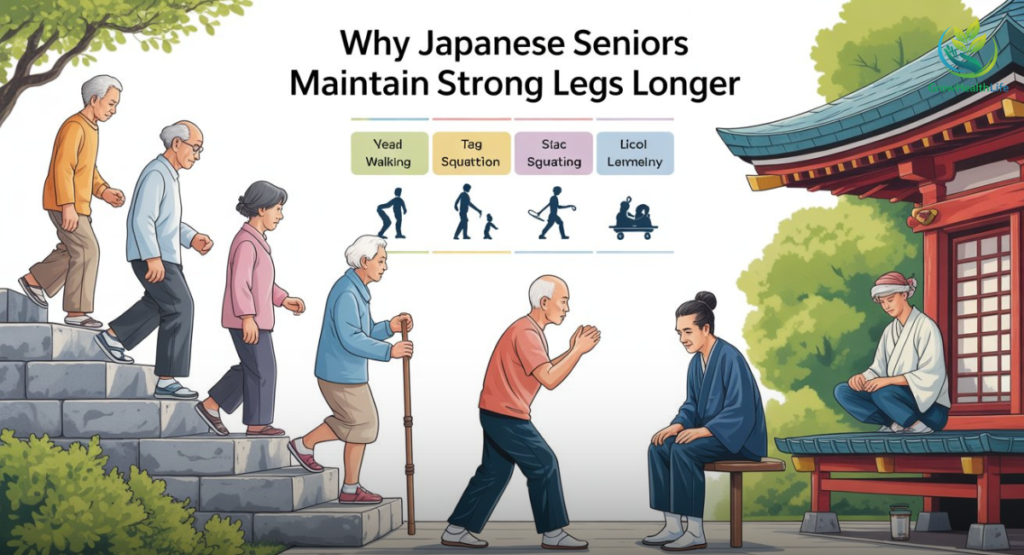
Why Japanese Seniors Maintain Strong Legs Longer
Cultural Movement Habits Matter
Japanese daily life naturally includes movements that Western lifestyles have eliminated:
- Standing up from the floor
- Squatting instead of sitting in chairs
- Walking slowly and intentionally
- Maintaining balance without constant support
These habits continuously challenge the legs, hips, ankles, and balance systems.
Low-Impact, High-Consistency Training
Rather than intense workouts performed sporadically, Japanese seniors practice:
- Gentle movements daily
- Controlled tempo exercises
- Balance-focused positions
- Isometric holds
This approach minimizes joint stress while maximizing neuromuscular adaptation.
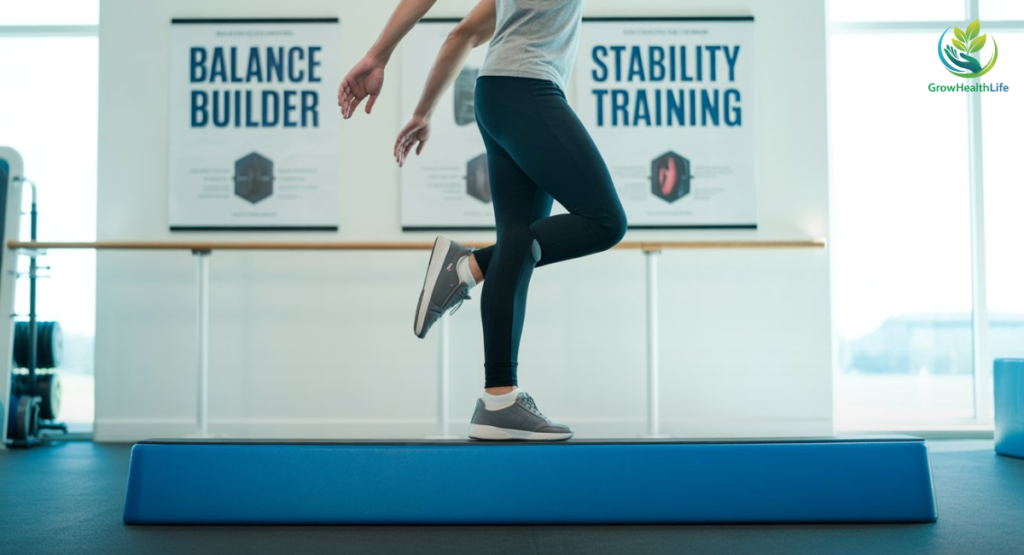
Exercise No. 6: Heel Walking Balance Builder
Overview
Heel walking is a deceptively simple exercise that targets one of the first areas to weaken with age: the muscles responsible for ankle stability and foot control.
Why This Exercise Is Critical After 60
As we age, the tibialis anterior muscle along the shin weakens. This leads to:
- Shuffling gait
- Poor foot clearance
- Increased fall risk
- Knee and hip compensation
Heel walking directly addresses these issues.
How Heel Walking Works
By lifting the toes and walking on the heels:
- Shin muscles are strengthened
- Ankle stability improves
- Balance reflexes sharpen
- Brain-foot communication is restored
Benefits for Seniors
- Reduced risk of falls
- Improved walking speed
- Better posture
- Less knee strain
- Increased confidence while walking
Practicing heel walking for just a few minutes daily can produce noticeable improvements within weeks.
Exercise No. 5: Rising Sun Sit-to-Stand
Why Standing Up Predicts Longevity
Multiple international studies show that the ability to stand up from a seated position without assistance is one of the strongest predictors of long-term survival and independence.
Japanese researchers emphasize controlled movement, not speed or repetition.

How the Rising Sun Sit-to-Stand Differs
Instead of dropping into a chair and pushing up quickly, this exercise focuses on:
- Slow, controlled lowering
- Brief upright pause
- Smooth, balanced rising
Why It Works
The slow descent (eccentric phase) places high demand on leg muscles while remaining joint-friendly. This stimulates muscle rebuilding more effectively than fast movements.
Daily Life Benefits
- Easier transfers from chairs and beds
- Reduced knee pain
- Stronger thighs and hips
- Improved posture and balance
This exercise directly translates to everyday function, making it one of the most important movements for seniors.
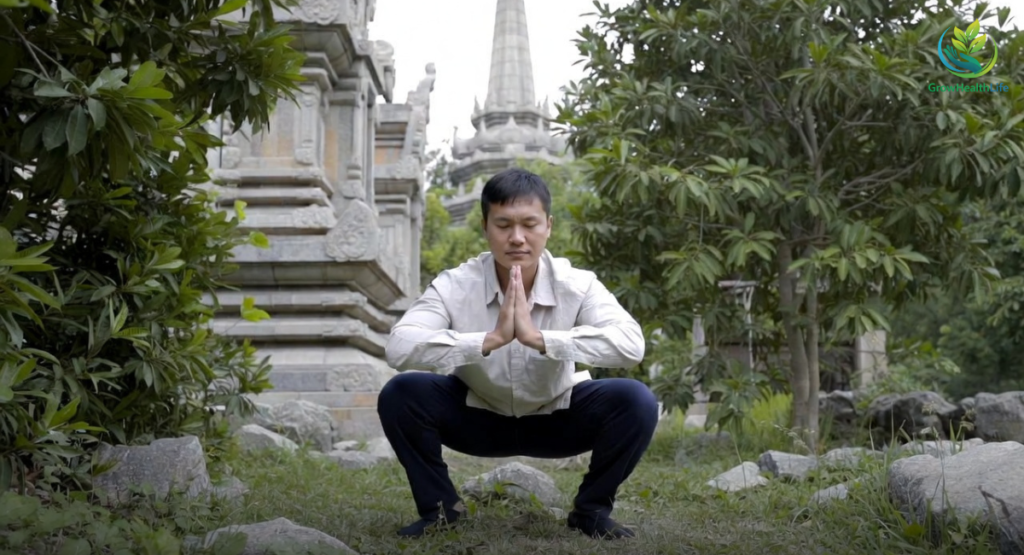
Exercise No. 4: Temple Squat Hold
Ancient Practice With Modern Validation
The temple squat hold originates from Buddhist meditation traditions, where monks maintained low squatting positions for extended periods.
Modern research confirms this practice builds:
- Muscle strength
- Bone density
- Balance
- Mental focus
Why Isometric Exercises Are Ideal for Seniors
Isometric holds involve maintaining a position without movement. This provides:
- High muscle activation
- Minimal joint wear
- Excellent safety
- Strong neuromuscular engagement
Benefits of the Temple Squat Hold
- Strengthens quadriceps, glutes, and hips
- Improves knee stability
- Enhances balance
- Supports bone health
- Builds mental resilience
Even shallow squat holds offer benefits when performed consistently.
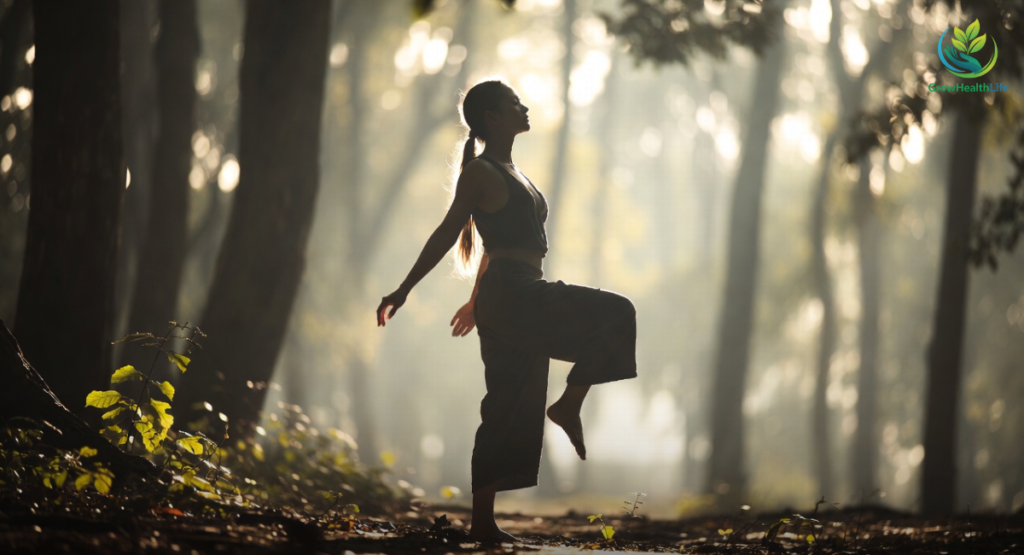
Exercise No. 3: Warrior’s Walking Meditation
Transforming Walking Into Strength Training
Walking is often considered low-effort, but Japanese walking meditation turns each step into a deliberate strength challenge.
By slowing down the pace, muscles stay engaged longer, increasing time under tension.
Why Slow Walking Builds Strength
Slow walking:
- Activates stabilizing muscles
- Improves coordination
- Challenges balance
- Enhances posture
Cognitive and Neurological Benefits
Studies show this walking style improves:
- Reaction time
- Focus
- Neural connectivity
- Brain-muscle communication
This makes it especially valuable for aging adults concerned about both physical and cognitive health.
Exercise No. 2: Sacred Shiko Stance
Adapted From Sumo Wrestling
The shiko stance is a wide-leg squat used in sumo training. Japanese sports scientists modified it to be safe and effective for seniors.
Why the Shiko Stance Is So Powerful
This exercise activates muscles often neglected in traditional workouts:
- Hip abductors
- Inner thighs
- Glute stabilizers
- Core muscles
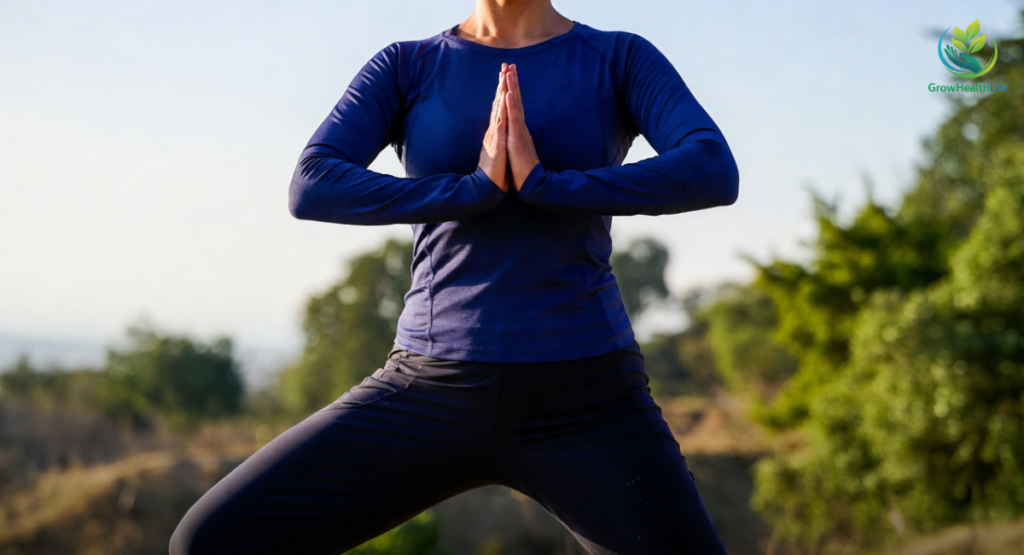
These muscles are critical for preventing sideways falls, the most dangerous type for seniors.
Unique Advantages
- Improves hip strength
- Enhances lateral stability
- Builds bone density
- Protects knees
- Restores explosive standing power
The addition of gentle lateral leg lifts makes this one of the most complete lower-body exercises for older adults.
Exercise No. 1: Longevity Load-to-Stand (Single-Leg Balance Training)
Why Single-Leg Training Is Essential After 60
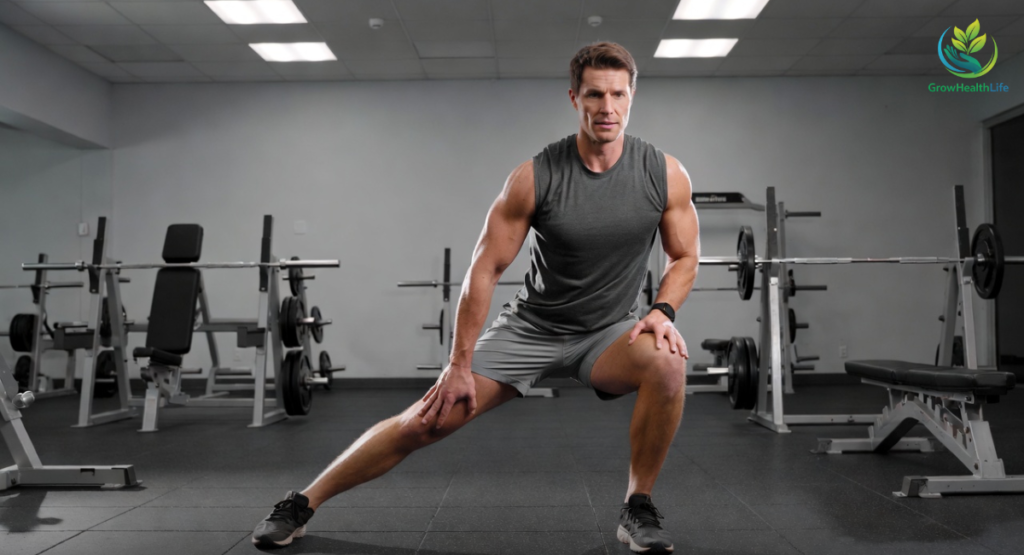
Standing on one leg forces the body to recruit nearly all available muscle fibers in that leg. This dramatically increases strength and balance efficiency.
How This Exercise Rewires the Body
Single-leg balance challenges:
- Proprioception
- Vestibular system
- Core stability
- Neuromuscular coordination
Proven Results
Seniors who practice single-leg balance exercises consistently show:
- Reduced fall risk
- Faster reaction times
- Improved walking confidence
- Better posture
- Greater independence
This is one of the most effective exercises for preserving mobility with age.
How to Structure a Daily Routine (20–30 Minutes)
A practical daily routine might include:
- Heel walking: 5 minutes
- Sit-to-stand: 5 minutes
- Temple squat hold: 5 minutes
- Walking meditation: 10 minutes
- Single-leg balance: 5 minutes
Consistency is more important than intensity.
Safety Guidelines for Seniors
- Use support when starting
- Move slowly and deliberately
- Avoid sharp pain
- Focus on breathing
- Progress gradually
These exercises are designed to heal, not strain.
Why These Exercises Outperform Gym Workouts for Seniors
Traditional gym workouts often:
- Isolate muscles
- Stress joints
- Ignore balance
- Overlook nervous system training
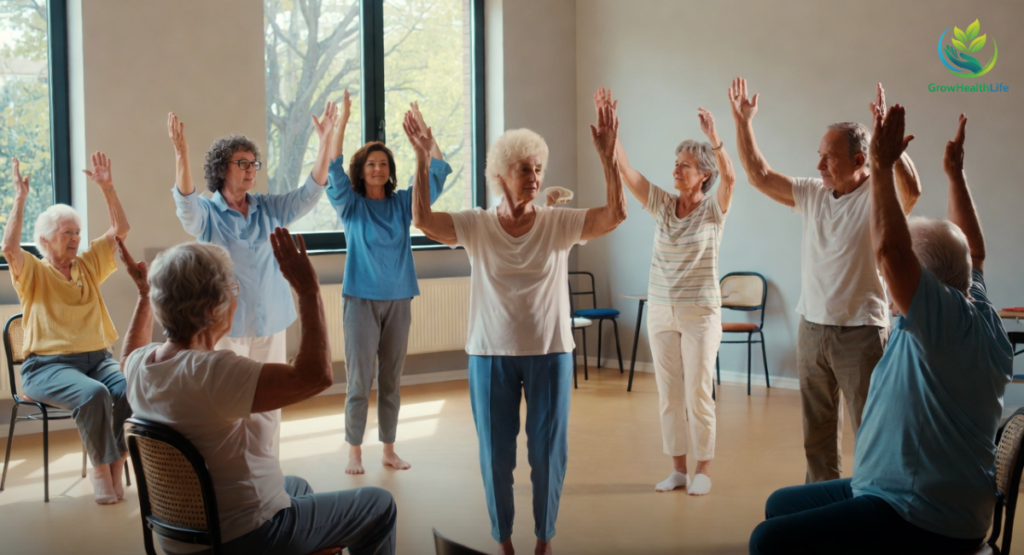
Japanese movement practices:
- Build functional strength
- Improve balance
- Protect joints
- Restore confidence
- Enhance brain-muscle connection
This holistic approach is why results are often faster and longer-lasting.
Final Thoughts: Aging Does Not Mean Weakness
Weak legs are not an inevitable consequence of aging. They are often the result of inactivity, fear, and misinformation.
The Japanese approach proves that gentle, consistent movement can rebuild strength, balance, and independence at any age.
By practicing these six exercises daily, seniors can:
- Walk confidently
- Stand up easily
- Reduce fall risk
- Protect joints
- Maintain independence
Strong legs are not about youth. They are about daily commitment to movement, balance, and life.