
Poor leg circulation after 60 is far more common than most people realize, and it often develops quietly before serious symptoms appear. Many older adults notice cold feet, leg swelling, or numbness and tingling, and assume it is simply part of aging. In reality, these changes are usually early warning signs that blood flow in the lower body is slowing down.
When circulation declines, muscles and nerves receive less oxygen, leading to weakness, balance problems, and reduced mobility. Understanding the real causes of poor circulation—and learning how to improve it naturally—can help restore strength, improve comfort, and protect independence well into later life.
Table of Contents
Why Poor Leg Circulation Gets Worse After 60
As we age, our circulatory system undergoes predictable changes. Blood vessels gradually lose elasticity, arterial walls stiffen, and the smallest capillaries — the ones responsible for delivering oxygen and nutrients to muscles — begin to shut down first.
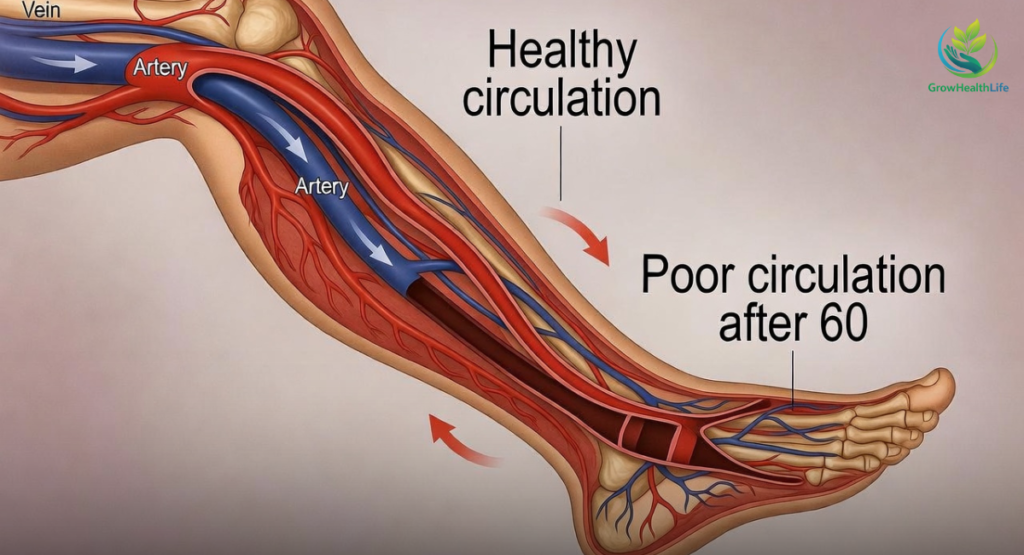
This is why early circulation problems often show up as:
- Cold feet and toes
- Numbness or tingling
- Leg heaviness or fatigue
- Swollen ankles and calves
- Night cramps or restless legs
- Reduced balance and walking confidence
Over time, reduced blood flow starves muscles and nerves of oxygen, accelerating muscle loss (sarcopenia) and increasing fall risk.
The Hidden Problem: Walking Alone Is Not Enough
Walking is often recommended for seniors, and while it’s beneficial for general health, it does not adequately activate deep vascular channels in the legs. Research shows that walking mainly stimulates surface circulation while leaving deeper vessels under-challenged.
That’s why many adults over 60 walk daily yet still experience worsening leg circulation.
To reverse the process, you must force blood flow deeper into the muscles, activating the calf pump, thigh arteries, and micro-circulation networks that walking fails to reach.
What Actually Improves Leg Circulation After 60
The most effective circulation strategies share three critical features:
- Muscle Pump Activation – Especially the calf muscles, often called the “second heart.”
- Pressure Variation – Alternating contraction and release to push blood through narrowed vessels
- Neurological Engagement – Training the nervous system to regulate blood flow efficiently
When these elements are combined, blood flow increases rapidly, swelling reduces, oxygen delivery improves, and mobility often returns faster than expected.
The 5 Best Exercises for Poor Leg Circulation After 60
Before revealing the single most powerful exercise, it’s important to understand the foundation. These five exercises work synergistically to rebuild circulation safely and effectively.
Exercise #5: Standing Heel Raises (Progressive Hold Technique)
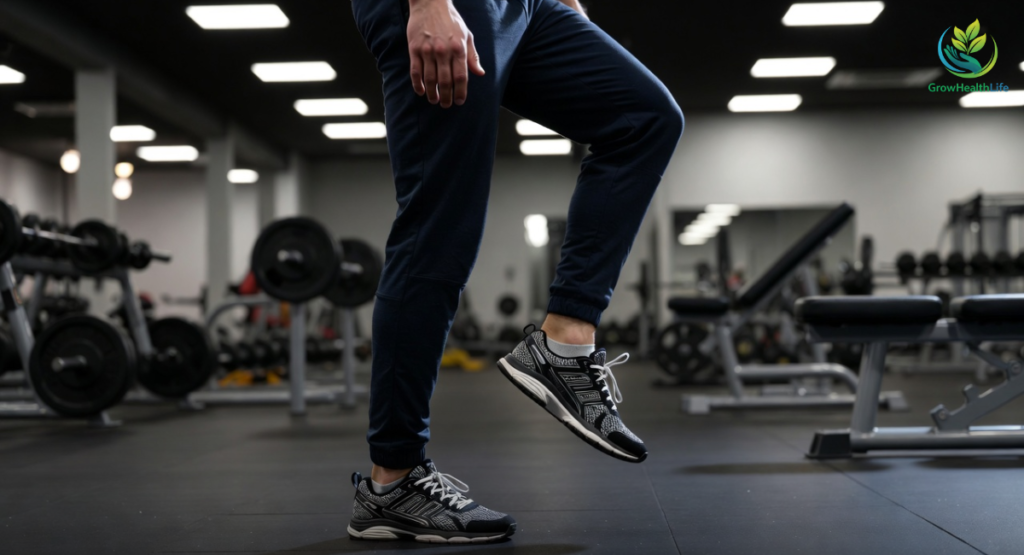
Standing heel raises activate the calf muscle pump, a powerful mechanism that pushes blood upward against gravity. Every controlled rise onto the toes squeezes veins and arteries, forcing stagnant blood back toward the heart while pulling oxygen-rich blood into the lower legs.
Why It Works
- Improves venous return
- Reduces ankle and foot swelling
- Increases capillary density over time
- Enhances balance and ankle strength
How to Perform
Stand with feet hip-width apart. Slowly rise onto your toes over three seconds, hold at the top while squeezing your calves, then lower slowly without fully relaxing at the bottom. Over time, increase the hold duration to deepen circulation benefits.
Exercise #4: Seated Leg Extensions with Ankle Flexion
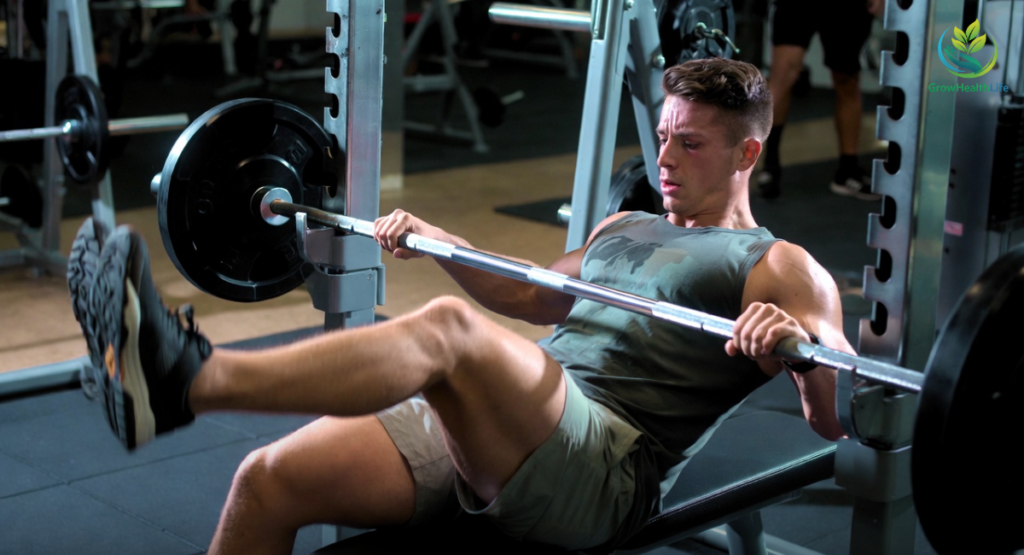
This seated exercise addresses venous pooling — a major issue for adults who sit for long periods. Extending the leg while pulling the toes back (dorsiflexion) creates a powerful, multi-angle blood-pumping action.
Benefits
- Improves blood flow velocity
- Warms cold feet
- Reduces lower-leg swelling
- Strengthens knee-supporting muscles
Because it’s low-impact, it’s ideal for people with arthritis or joint pain.
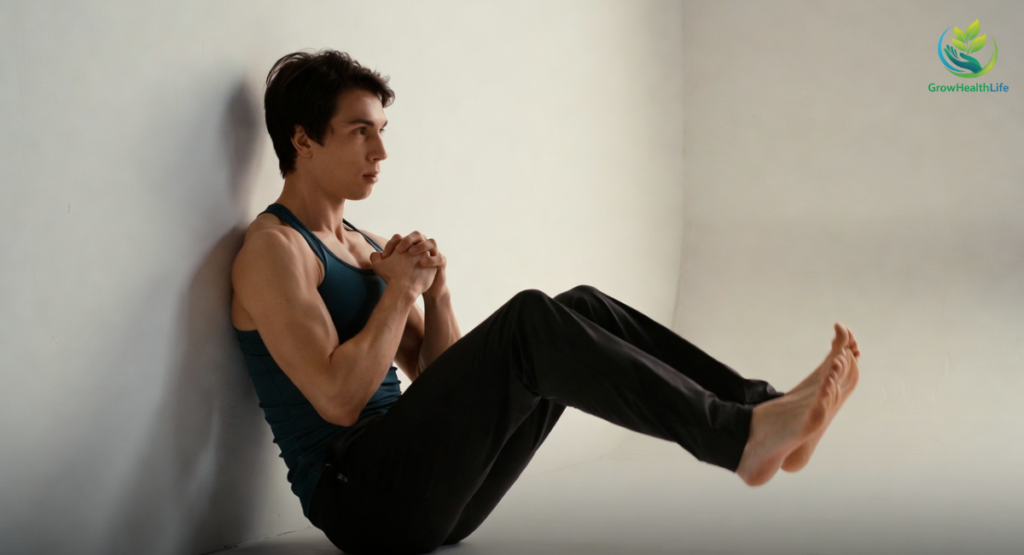
Exercise #3: Wall Sit with Calf Pulses
This exercise combines isometric contraction with rhythmic pumping — a proven method for improving circulation in older adults.
Holding the wall compresses major thigh arteries, while calf pulses generate pressure waves that push blood through even the smallest capillaries.
Research-Backed Results
- Improves lower-extremity blood flow
- Reduces leg cramps
- Increases muscular endurance
- Enhances oxygen delivery
Many people report lighter, more energized legs immediately after performing this exercise.
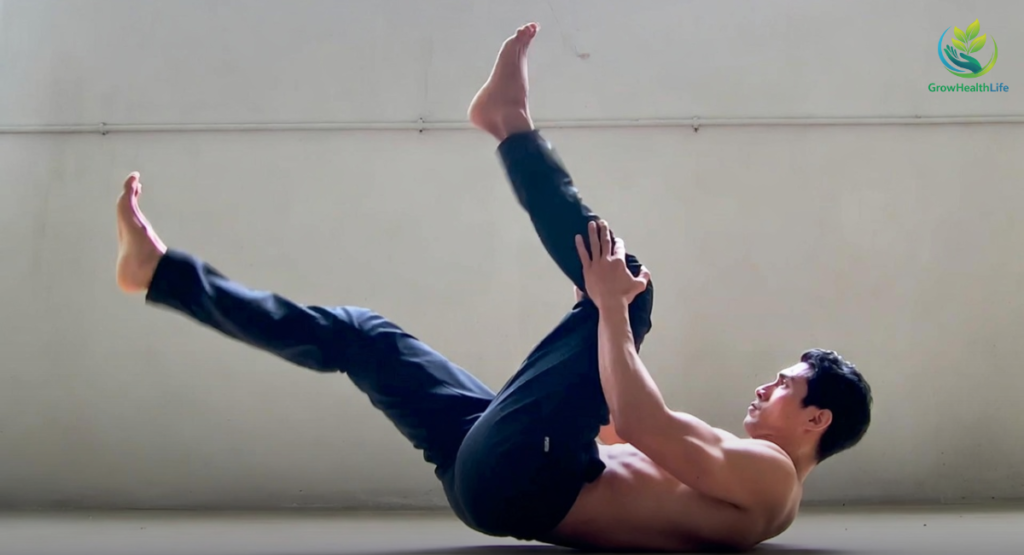
Exercise #2: Supine Leg Cycling with Resistance Intervals
By lying on your back with your legs elevated, you remove gravity’s resistance to blood flow. Adding controlled cycling movements creates a strong pumping action that reopens deep circulation pathways.
Why This Exercise Is So Effective
- Encourages nitric oxide release (vessel dilation)
- Improves circulation without joint stress
- Energizes legs quickly
- Reduces nighttime leg discomfort
This exercise is especially effective when done in the morning to jump-start circulation for the day.
Exercise #1: The BEST Exercise for Poor Leg Circulation After 60
Backward Walking with Toe Touch Intervals
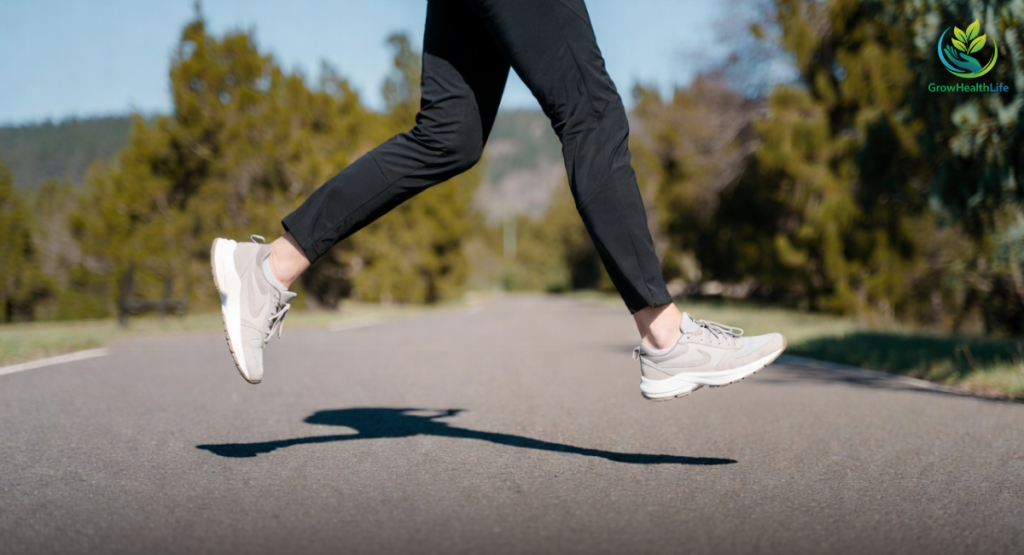
This is the single most powerful exercise for improving leg circulation after 60.
Backward walking activates muscles in a completely different sequence than forward walking. It challenges balance, coordination, and neural control while forcing blood vessels to adapt rapidly.
When combined with toe-touch intervals, the result is a dramatic circulation surge that reaches deep into the legs.
Why Backward Walking Works When Everything Else Fails
Backward walking:
- Activates underused muscles (calves, hamstrings, glutes)
- Creates unique pressure gradients in blood vessels
- Requires greater oxygen demand than forward walking
- Improves balance and fall prevention
- Enhances nervous system regulation of circulation
Toe touches amplify the effect by using gravity and compression to flush blood through the legs.
How to Perform the Backward Walking Protocol Safely
- Find a clear, obstacle-free area
- Walk backward for 20 controlled steps, landing on toes first
- Stop and perform 5 gentle toe touches
- Focus on slow, steady breathing
- Repeat for 3–5 rounds
Start slowly and use a wall or support if needed. Most people notice improved balance within one to two weeks.
Real Benefits Reported by Adults Over 60
People who consistently practice backward walking report:
- Warmer feet and legs
- Reduced swelling
- Less leg pain and cramping
- Improved walking confidence
- Better balance and coordination
- Increased energy and endurance
Some even see measurable improvements in clinical circulation markers.
How Often Should You Do These Exercises?
For best results:
- Perform at least one circulation exercise daily
- Combine backward walking with one or two supporting exercises
- Progress gradually
- Stay consistent
Even 5–10 minutes a day can make a meaningful difference.
Safety Tips for Seniors with Circulation Issues
- Always warm up gently
- Stop if you feel dizziness or experience sharp pain
- Use support when needed
- Consult a healthcare provider if you have severe vascular disease
Consistency matters more than intensity.
Final Thoughts: Restore Circulation, Restore Independence
Poor leg circulation after 60 is not inevitable — and it’s not irreversible. With the right exercises, you can reactivate blood flow, strengthen muscles, improve balance, and protect your independence for years to come.
The backward walking protocol, when done consistently, stands out as the most powerful and accessible solution available today.
Start where you are. Move with intention. And give your legs the circulation they need to stay strong, warm, and capable.