
As people age, leg weakness, poor balance, and reduced mobility often feel unavoidable, but nutrition plays a much bigger role than most realize. Scientific research shows that certain fruits contain powerful nutrients that support muscle repair, circulation, and energy production in the lower body.
When eaten consistently, these foods can help older adults regain strength, stability, and confidence in everyday movement. This article reveals these 5 fruits rebuild leg strength fast, making them especially effective for those seeking better leg strength after 60, improved muscle recovery, reduced muscle weakness, and enhanced senior mobility naturally without complicated routines or extreme lifestyle changes.
Table of Contents
Why Leg Strength Declines After 60
As we age, the body undergoes natural changes that affect muscle mass and strength. One of the biggest contributors is sarcopenia, the gradual loss of muscle tissue that begins after age 40 and accelerates after 60.
Several factors contribute to weak legs in seniors:
- Reduced muscle protein synthesis
- Poor circulation to the lower body
- Chronic inflammation
- Nutrient deficiencies (potassium, magnesium, vitamin C, B vitamins)
- Slower muscle recovery and repair
Without the right nutritional support, leg muscles break down faster than they rebuild. But when the body receives proper fuel, muscle regeneration remains possible at any age.
That’s where these fruits come in.
1. Bananas – The Ultimate Fruit for Leg Strength
Bananas rank number one because they address three critical factors of muscle function at the same time.
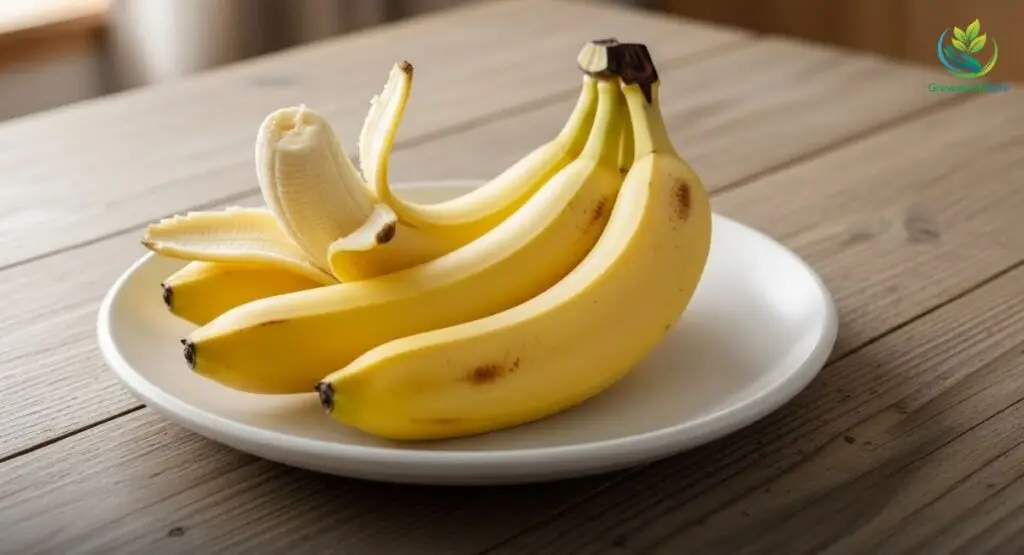
Key Nutrients in Bananas
- Potassium – essential for muscle contractions
- Magnesium – supports nerve function and prevents cramps
- Vitamin B6 – helps convert protein into muscle tissue
Many seniors are unknowingly deficient in these nutrients. Potassium deficiency alone can lead to muscle weakness, fatigue, poor balance, and painful leg cramps.
A study from the Pennington Biomedical Research Center found that seniors who consumed bananas regularly experienced improvements in leg strength, walking speed, and balance within eight weeks.
How to Eat Bananas for Best Results
- Eat 1–2 bananas per day
- Best timing: 30 minutes before physical activity and within 2 hours after
- Choose bananas with brown spots, as they contain more antioxidants and are easier to digest
Bananas are affordable, widely available, and one of the most effective fruits for restoring lower-body strength.
2. Pomegranates – Renewing Muscle Energy at the Cellular Level
Pomegranates support leg strength in a unique way that no other fruit can.
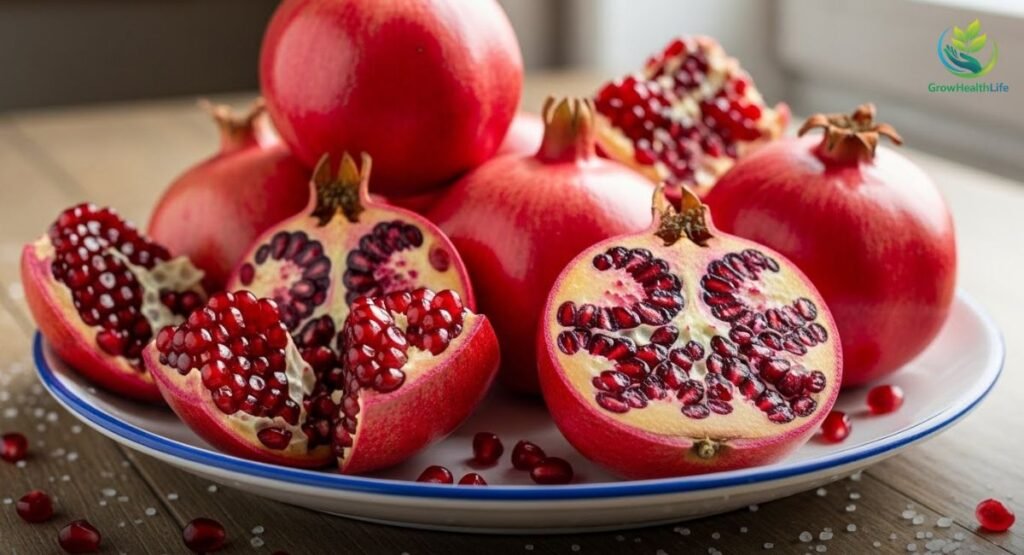
They contain compounds that help the body produce urolithin A, which activates a process called mitophagy — the removal of damaged mitochondria and replacement with healthy ones.
Mitochondria are the “power plants” of muscle cells. When they decline, muscles feel weak, heavy, and easily fatigued.
Scientific Evidence
Research from the Swiss Federal Institute of Technology showed that older adults experienced measurable improvements in muscle strength and endurance after increasing urolithin A levels.
Best Ways to Consume Pomegranate
- ½ cup fresh seeds daily
- 4 ounces of pure pomegranate juice
- Pomegranate concentrate (no added sugar)
Important: Pomegranate may interact with blood pressure or cholesterol medications. Consult your doctor if you take prescription drugs.
3. Blueberries – Protecting Muscles From Aging Damage
Blueberries are often called a superfood — and for good reason.
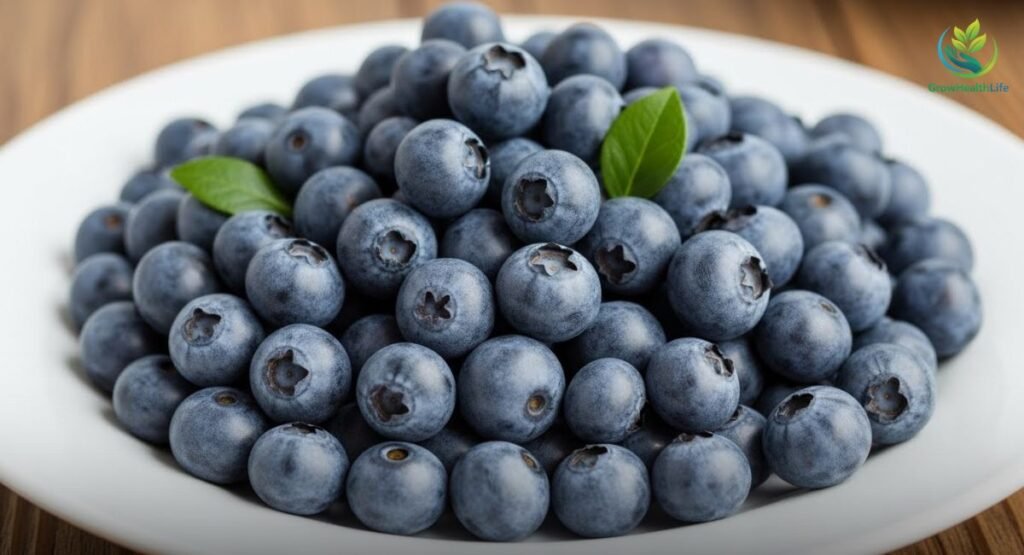
They are rich in polyphenols, powerful antioxidants that protect muscles from oxidative stress, one of the main drivers of age-related muscle loss.
Oxidative stress damages muscle cells over time, similar to rust weakening metal. Blueberries act as a protective shield.
What Research Shows
A University of Michigan study found that blueberry consumption improved muscle function and reduced markers of muscle breakdown. Researchers also observed positive changes in genes linked to muscle health.
Why Blueberries Help Leg Strength
- Support mitochondrial function
- Improve muscle recovery
- Enhance endurance and stability
How to Use
- Eat 1 cup daily
- Fresh or frozen (frozen berries often retain more nutrients)
- Pair with healthy fats (nuts or yogurt) to boost antioxidant absorption
4. Tart Cherries – Reducing Inflammation and Muscle Pain
Not all cherries are equal. Tart cherries contain some of the highest levels of anthocyanins, compounds known for reducing muscle inflammation and soreness.
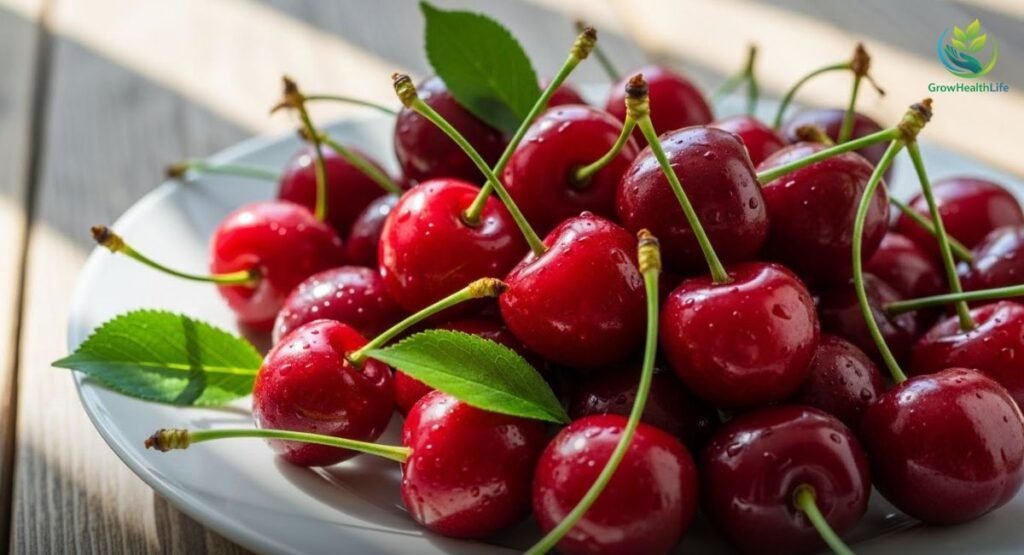
Chronic inflammation silently accelerates muscle loss in older adults. Even low-grade inflammation can weaken legs over time.
Research Evidence
A study from Oregon Health & Science University found that adults over 60 who consumed tart cherry products showed:
- Improved muscle strength
- Faster recovery
- Reduced muscle damage after activity
Many participants reported feeling years younger in their legs.
Best Consumption Method
- Frozen tart cherries
- Or 1 tablespoon of tart cherry concentrate mixed with water
- Best taken in the evening, as it also supports melatonin production and deeper sleep
Better sleep equals better muscle repair.
5. Watermelon – Improving Blood Flow and Muscle Recovery
Watermelon may seem simple, but it plays a critical role in muscle performance.
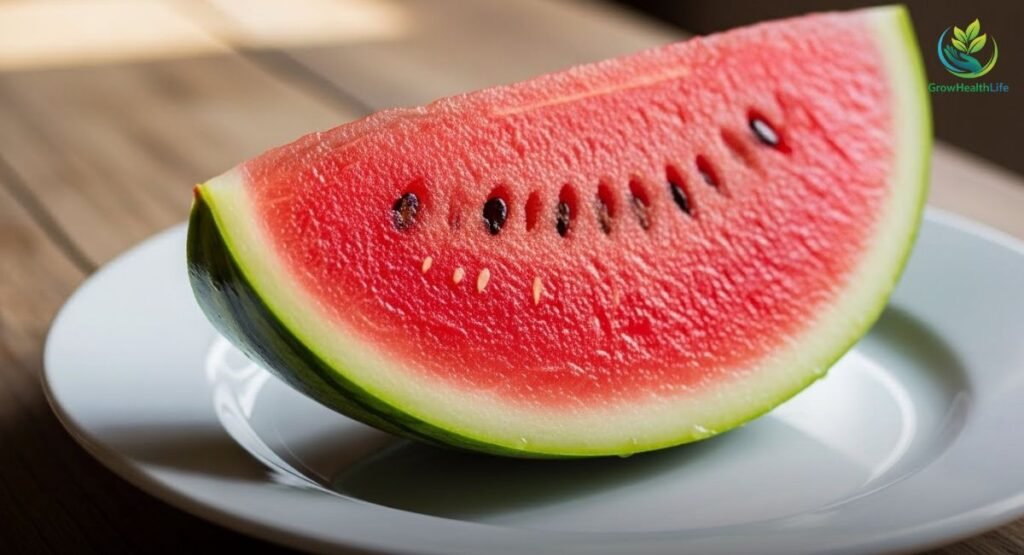
It contains L-citrulline, an amino acid that increases nitric oxide, which improves blood flow to muscles.
Better circulation means:
- More oxygen to leg muscles
- Faster nutrient delivery
- Reduced soreness
Additional Benefits
- 92% water content keeps muscles hydrated
- Prevents muscle fatigue and stiffness
How to Eat It Correctly
- Consume 2 cups daily
- Ideal timing: morning or post-activity
- Leave some of the white rind — it contains higher L-citrulline levels
How These Fruits Work Together
Each fruit supports a different aspect of leg strength:
- Bananas: muscle contraction and nerve signaling
- Pomegranates: cellular energy renewal
- Blueberries: muscle protection
- Tart cherries: inflammation control
- Watermelon: circulation and hydration
When combined, they create a synergistic effect that accelerates muscle rebuilding.
Simple Daily Fruit Routine for Stronger Legs
You don’t need to eat everything at once. Start small and build consistency.
Morning: Banana + blueberries
Midday: Orange or watermelon
Afternoon: Pomegranate
Evening: Tart cherry concentrate
Daily foundation: Banana
Consistency matters more than quantity. Read More: TruSkin Vitamin C Super Serum
Final Thoughts: Strong Legs Are Still Possible
Weak legs are not an inevitable part of aging. Your body still knows how to rebuild muscle — it just needs the right nutrients.
By incorporating these five fruits into your daily routine, you support:
- Muscle regeneration
- Better balance
- Improved mobility
- Greater independence
Start with one fruit. Add another. Within weeks, many people notice real improvements.
Your strength isn’t gone — it’s waiting to be rebuilt.