
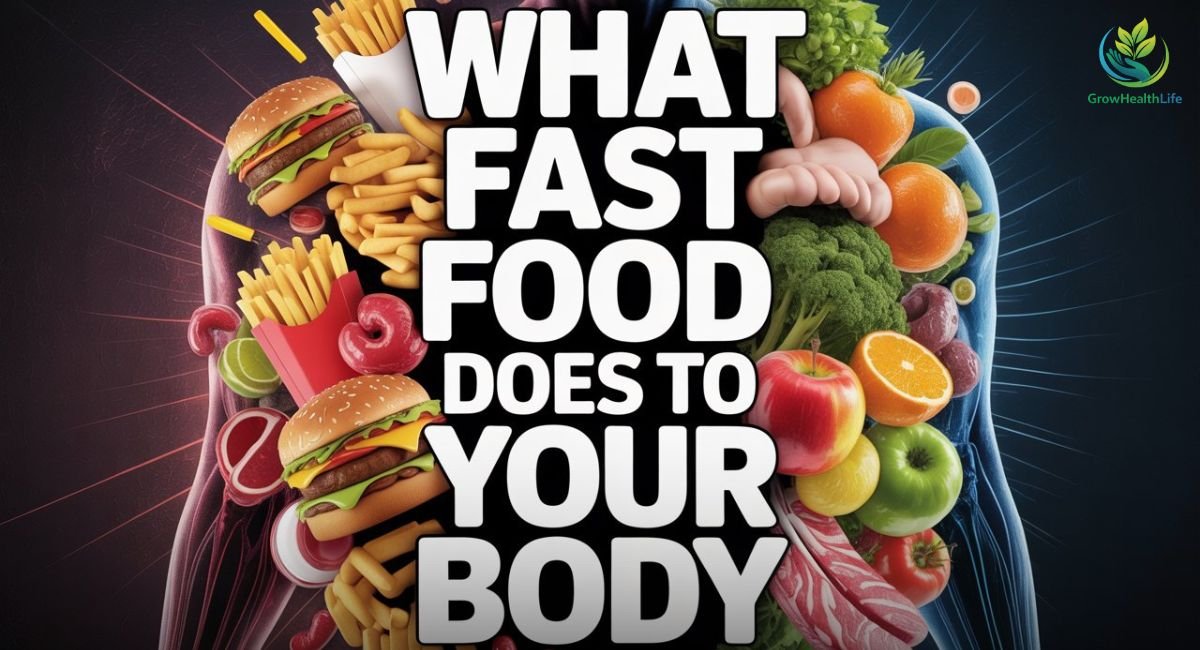
Fast food is everywhere. It’s quick, affordable, and often feels like the easiest choice on busy days. However, many people don’t fully realize what fast food does to your body when it becomes a regular habit. Ongoing fast food consumption affects more than just your weight. Research shows clear effects of fast food on health, influencing energy levels, digestion, and long-term wellness.
Diets built around fast food are commonly linked with weight gain and obesity, frequent blood sugar spikes, and a higher risk of cardiovascular disease over time. This doesn’t mean occasional fast food is harmful. It means understanding how daily choices shape your body can help you make smarter, more balanced decisions without guilt or fear.
Table of Contents
What Is Fast Food and Why Is It So Popular?
Fast food usually means meals prepared quickly, often using processed foods that are high in calories and low in nutrients. These meals are designed for taste, cost, and speed. Over time, this pattern explains much of what fast food does to your body.
In the U.S., fast food fits busy lifestyles. Long work hours, limited cooking time, and low prices increase reliance on high-calorie fast food. Marketing and portion sizes also shape habits, making frequent fast food consumption feel normal rather than occasional.
What Fast Food Does to Your Body: A Clear Definition
From a health view, fast food often combines refined carbohydrates, added sugars, and unhealthy fats. These ingredients digest quickly and provide little fiber. This combination affects blood sugar, appetite control, and energy levels, especially when fast food replaces balanced meals regularly.
How Fast Food Affects Weight and Metabolism
One common result of eating fast food every day is gradual weight gain and obesity. These meals are calorie dense and easy to overeat. Over time, excess calories are stored as fat, changing your body mass index (BMI) without noticeable short-term symptoms.
Metabolism also responds to food quality. Diets high in sugar and fat but low in fiber can disrupt how your body uses energy. These changes explain part of what fast food does to your body beyond simple calorie counting.
What Fast Food Does to Your Body’s Metabolism
Fast food encourages rapid digestion and absorption, which can overwhelm normal metabolic balance. Frequent intake may slow fat burning efficiency and promote abdominal obesity. Meanwhile, low nutrient intake limits the body’s ability to regulate hunger and fullness signals effectively.
Impact of Fast Food on Heart Health
Regular fast food intake raises heart disease risk through multiple pathways. High sodium intake contributes to high blood pressure, while unhealthy fats raise LDL (bad) cholesterol. Together, these changes increase strain on the heart and blood vessels.
Over time, these effects raise the likelihood of cardiovascular disease. According to the American Heart Association, diets high in sodium and saturated fat and trans fat are strongly linked to long-term heart complications.
Heart-Related Warning Signs to Be Aware Of
Some people notice fatigue, shortness of breath, or swelling with poor diet patterns. These signs are not diagnoses, but they can reflect cardiovascular strain. Paying attention early supports prevention rather than treatment later.
Fast Food and Blood Sugar: Risk of Diabetes
Fast food meals often trigger sharp blood sugar spikes due to refined carbs and sugars. Each spike demands a strong pancreatic insulin response. Repeated stress on this system may reduce insulin effectiveness over time.
This process increases type 2 diabetes risk, especially when fast food replaces fiber-rich meals. The CDC explains that long-term poor blood glucose regulation often develops quietly, without early warning signs.
What Fast Food Does to Your Body’s Blood Sugar Control
Low fiber foods digest quickly and raise glucose rapidly. Over time, this pattern promotes insulin resistance, making blood sugar harder to manage. Balanced meals with fiber slow digestion and reduce metabolic stress.
Digestive System Problems Caused by Fast Food
Digestive comfort often reflects diet quality. Fast food is usually low in fiber and high in fat, which may contribute to digestive issues like bloating or irregular bowel habits. These changes are common but often overlooked.
When digestion slows or becomes irregular, nutrient absorption may suffer. This is another way what fast food does to your body extends beyond weight or blood sugar alone.
What Fast Food Does to Your Body’s Digestive Process
Low fiber intake affects gut movement and healthy bacteria. Over time, this imbalance can worsen discomfort and appetite control. Including whole foods supports smoother digestion and long-term gut health.
Nutrient Deficiency and Poor Diet Quality
Fast food often delivers calories without nourishment. Frequent intake can lead to poor diet quality, even when calorie needs are exceeded. Missing essential nutrients affects energy, immunity, and tissue repair.
This pattern may result in nutrient deficiency, especially fiber and protein deficiency. According to the NIH, nutrient gaps develop gradually and may not be obvious until health concerns appear.
Why Diet Quality Matters More Than Calories Alone
Calories fuel the body, but nutrients maintain it. Diets lacking vitamins and minerals strain normal functions. Improving food quality often improves energy and focus without strict dieting.
Effects of Fast Food on Mental Health and Mood
Food influences brain chemistry. Diets high in sugar and fat may contribute to fatigue and low energy, affecting mood stability. Research links poor diet patterns with higher rates of mental health problems.
While fast food does not directly cause depression, studies show associations with depression and psychological stress. These effects reflect inflammation, blood sugar swings, and nutrient gaps rather than single foods.
What Fast Food Does to Your Body–Brain Connection
Chronic intake may promote systemic inflammation and oxidative stress, which influence brain signaling. Balanced nutrition supports steadier energy and emotional regulation over time.
Fast Food’s Impact on Skin, Teeth, and Bones
High sugar and sodium intake affect visible health. Added sugars contribute to dental problems, while excess sodium affects calcium balance. These factors influence skin clarity, tooth strength, and bone density.
Over time, diet-related inflammation may affect appearance and structure. This shows how what fast food does to your body can appear externally, not just in lab values.
External Signs That May Reflect Diet Patterns
Some people notice acne, dental sensitivity, or joint discomfort. These signs often reflect long-term habits, not isolated meals. Improving diet quality supports gradual improvement.
Long-Term Health Risks of Eating Fast Food Daily
Long-term fast food patterns increase chronic illness risk. Studies associate frequent intake with metabolic syndrome, coronary heart disease, and higher hospital admission rates over time.
Chronic exposure to poor diet quality promotes chronic inflammation and inflammageing, processes linked to atherosclerosis, cancer risk, and a possible shortened lifespan.
Why Frequency Matters More Than Occasional Intake
An occasional fast food meal has little impact. Risk rises when fast food becomes routine. Frequency determines cumulative stress on metabolic and cardiovascular systems.
How Switching to a Healthy Diet Can Reverse the Damage
The body is adaptable. Reducing fast food and improving diet quality can improve energy, digestion, and metabolic markers. This balance shows that what fast food does to your body is not permanent.
Whole foods support recovery by reducing inflammation and improving nutrient intake. The Mayo Clinic emphasizes gradual lifestyle changes over strict rules for sustainable health.
Practical, Sustainable Diet Shifts
Simple steps help. Cooking more at home, choosing fiber-rich sides, and limiting sugary drinks improve health without extremes. Consistency matters more than restriction.
Medical Disclaimer:
This article is for educational purposes only. It does not provide medical diagnosis or treatment. Always consult a qualified healthcare professional for personal health concerns.
FAQ’s
What happens if you eat fast food every day?
Eating fast food every day may increase calorie intake while lowering nutrient quality, which can affect weight, blood sugar control, heart health, and energy levels over time.
What food adds 33 minutes to your life?
A widely cited study suggests eating a serving of nuts may be associated with a small increase in life expectancy, though overall diet quality matters more than any single food.
What is the #1 unhealthiest food?
There is no single unhealthiest food, but ultra-processed foods high in added sugars, sodium, and trans fats are consistently linked to poorer health outcomes.
What are 10 positive effects of eating fast food?
Fast food offers convenience, quick energy, affordability, wide availability, predictable taste, time savings, portion consistency, menu variety, easy access while traveling, and social convenience—though these benefits are practical, not nutritional.
What does eating fast food do to your brain?
Regular fast food intake may affect brain function by promoting blood sugar swings and inflammation, which can influence focus, mood, and long-term cognitive health.
1 comment
[…] 3 Best Vegetables for Diabetes to Lower Blood Sugar & A1C Naturally January 3, 2026 What Fast Food Does to Your Body: Complete Health Effects Explained December 29, 2025 […]