
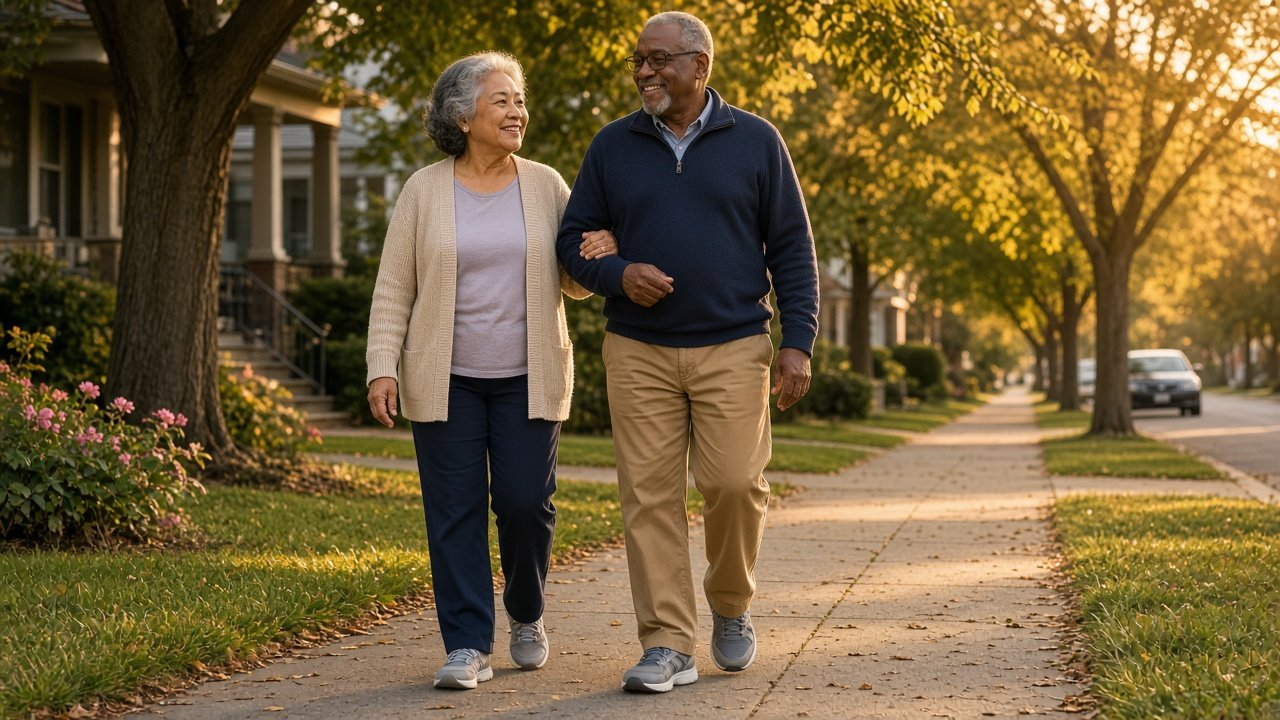
If you are over 60, you have probably heard that exercise is “good for blood sugar.” What often gets left out is timing. Research in older adults suggests that a short walk after meals—especially after dinner—can help blunt the natural rise in blood glucose that follows eating. You do not need a gym membership, a track, or a long block of free time. Ten to fifteen gentle minutes can be enough to matter.
This habit fits real life after 60. Knees may prefer a stroll to a hard workout. Energy may dip later in the day. Medications and meals already take planning. Pairing a short walk with breakfast, lunch, or dinner turns something you already do into a built-in cue: finish the plate, put on supportive shoes, and move.
Below you will find why post-meal walking helps, how long to walk, when to start, a practical daily plan for seniors, and safety notes—including when to check with your clinician. These ideas are educational, not a personal medical plan. If you use insulin or other glucose-lowering medicines, have neuropathy, balance concerns, or heart disease, talk with your care team before changing your activity pattern.
Why Blood Sugar Rises After Meals After 60
After you eat, carbohydrates break down into glucose that enters the bloodstream. Insulin helps move that glucose into cells for energy. With age, many people become less sensitive to insulin, and the pancreas may release insulin less briskly later in the day. That combination can make post-meal (postprandial) glucose climbs steeper—even when fasting numbers look “okay.”
Isolated after-meal highs are especially common in older adults. They matter because repeated spikes over months and years can stress blood vessels that supply the heart, eyes, kidneys, and nerves. Managing the meal window is one practical way to support metabolic health alongside diet, sleep, and prescribed treatment.
How Walking After Eating Helps Blood Sugar
When you walk, working muscles pull glucose from the blood—partly through pathways that do not rely only on insulin. That “second door” into the muscle cell is useful if insulin signaling is slower than it used to be. Light movement after eating can:
- Soften the height of the post-meal glucose rise
- Spread the rise over a gentler curve instead of a sharp spike
- Support insulin sensitivity with consistent practice
- Reduce long sitting right after carbohydrate-rich meals
Standing after a meal helps a little. Walking usually helps more. You do not need to break a sweat. A conversational pace—easy enough to talk, steady enough to feel your legs working—is the goal for most older adults.
Important honesty check: A post-meal walk is a helpful habit, not a miracle cure. It does not replace prescribed diabetes care, meal planning, or clinician advice. Think of it as one reliable tool in a larger toolkit.
How Long Should Seniors Walk After Meals?
Studies that include adults around 60 and older often use 10–15 minutes of light-to-moderate walking after meals. In one well-known trial, three 15-minute walks after meals improved 24-hour glucose control in older adults at risk for impaired glucose tolerance—and the after-dinner walk stood out for evening glucose. Other research in people with type 2 diabetes found that splitting walking into shorter post-meal bouts (for example, about 10 minutes after each main meal) can work better for post-meal glucose than one longer walk at a random time of day.
Practical takeaways for readers after 60:
- Start with 5–10 minutes if you are new to walking or recovering from inactivity.
- Build toward 10–15 minutes after one or more meals when it feels comfortable.
- If time is limited, prioritize the largest meal—often dinner—because evening glucose rises can be stubborn.
- Consistency beats intensity. Easy daily walks usually outperform occasional hard efforts.
You can walk outdoors, indoors in a hallway, at a mall, or on a treadmill. Flat ground and good lighting matter more than speed.
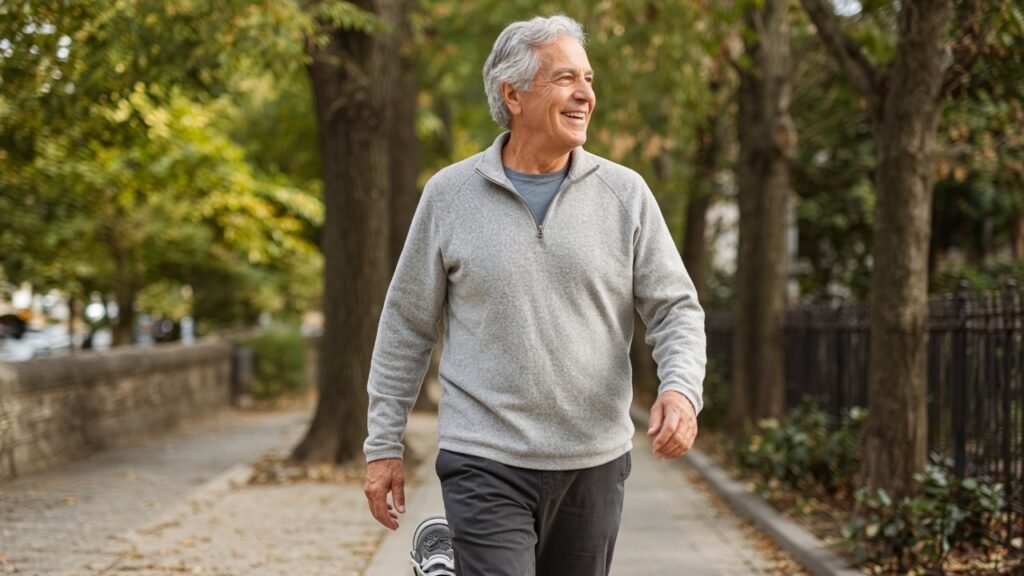
When to Start the Walk After Eating
Timing does not have to be perfect. Benefits have been seen when people start moving:
- Soon after finishing—even within the first few minutes
- Around 30 minutes after the meal, which lines up with research protocols that place walking during the absorption window
- Within roughly 60–90 minutes after eating, when glucose is still elevated for many people
If you feel overly full, dizzy, or nauseated right after a large meal, wait until those sensations settle, then walk gently. If you feel fine, starting sooner is reasonable for most people. Skip aggressive hills, heavy lifting, or high-intensity intervals immediately after a big plate of food.
A Practical Daily Post-Meal Walking Plan for Seniors
Use this as a template, then adjust to your schedule, weather, and clinician guidance.
Option A — Three short walks (research-style)
| Meal | Walk | Pace notes |
|---|---|---|
| Breakfast | 10–15 minutes | Easy neighborhood or indoor loop |
| Lunch | 10–15 minutes | Hallway laps or short outdoor stroll |
| Dinner | 10–15 minutes | Prioritize this one if you can only do one |
Total: about 30–45 minutes of easy walking spread through the day—often more tolerable than one long session.
Option B — One prioritized walk (busy-day version)
- Eat your main meal of the day.
- Drink a few sips of water.
- Put on supportive, non-slip shoes.
- Walk 10–20 minutes at a conversational pace.
- Note how you feel afterward (energy, joint comfort, any lightheadedness).
Option C — Indoor “micro-walk” when weather or balance is a concern
- March gently in place beside a counter for 2–3 minutes
- Walk the length of a hallway 8–12 times
- Use a cane, walker, or companion if that is your usual support
- Sit for a rest, then repeat once if energy allows
Even two to five minutes of light walking can nudge glucose in a helpful direction for some people. Small is still real progress.
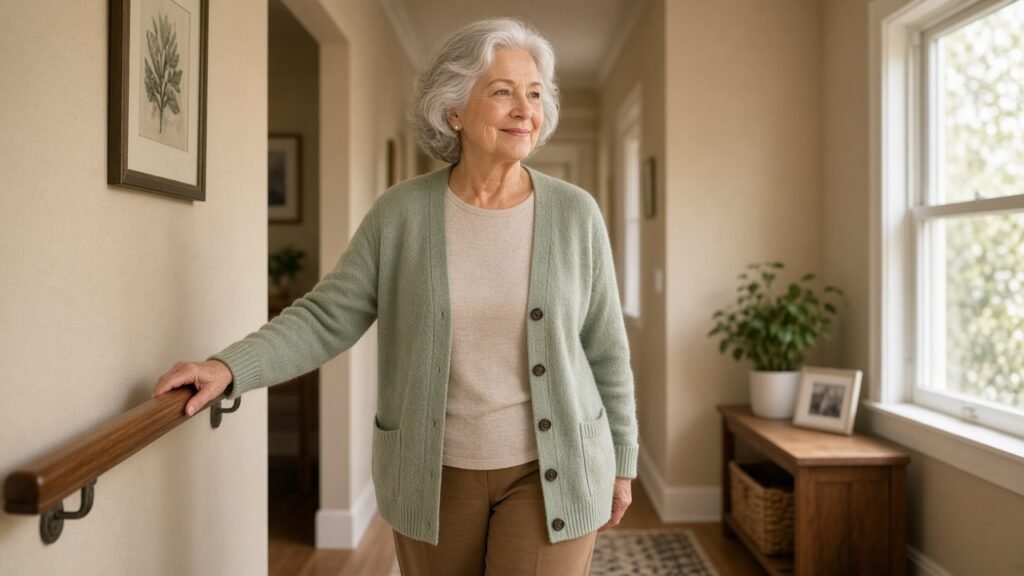
Tips That Make the Habit Stick After 60
- Pair the walk with an existing cue: dishwasher start, tea kettle, or taking out the trash.
- Prep shoes by the door so you do not negotiate with yourself after dinner.
- Invite a partner or neighbor for accountability and safer evening walks.
- Choose well-lit routes and reflective clothing if you walk after sunset.
- Check your feet if you have diabetes—supportive socks, dry skin care, and shoes that fit.
- Track gently: a notebook line (“walked 12 min after dinner”) beats an all-or-nothing streak app.
If evenings feel exhausting, walk after lunch for a few weeks, then add dinner when energy improves.
Safety Notes for Older Adults
Most gentle post-meal walks are low risk, but personal health history matters.
Talk with your clinician first if you have:
- Frequent lows (hypoglycemia) or use insulin / sulfonylureas
- Chest pain, unexplained shortness of breath, or recent cardiac events
- Severe neuropathy, foot ulcers, or active infections
- Unsteady balance, recent falls, or dizziness when standing
- Advanced arthritis flares that make walking painful
While walking, stop and seek care for chest pressure, sudden severe shortness of breath, one-sided weakness, fainting, or sharp unusual pain.
Medication tip: Activity can lower glucose. If you take glucose-lowering medicine, ask whether you should check levels around walks and how to treat a low if one occurs. Carry a quick carbohydrate source if your care team recommends it.
Footwear and surfaces: Choose stable shoes, avoid slippery floors, and use handrails on stairs. A short indoor route on a bad-weather day is smarter than forcing an outdoor walk on ice.
What Post-Meal Walking Does Not Replace
A stroll after dinner supports blood sugar management. It does not replace:
- Prescribed medicines or insulin regimens
- Carbohydrate awareness and balanced meals
- Sleep, stress care, and regular medical follow-up
- Strength training that helps protect muscle after 60
Think “and,” not “instead.” Walking after meals pairs especially well with protein-forward plates, fiber-rich vegetables, and strength work on other days of the week.
Soft Close: Start With Tonight’s Dinner
You do not need a perfect program to begin. After your next meal, give yourself permission to walk for ten calm minutes—around the block, down the hall, or beside a sturdy counter. Notice how your body feels. Tomorrow, try again.
Small, repeated walks after meals are one of the most senior-friendly ways to support steadier blood sugar without turning your day into a workout schedule. Grow your health one meal-and-walk at a time—and improve your life with habits that fit the years you are in now.
This article is for general education. It is not medical advice. Work with your clinician or diabetes care team for personalized guidance.